

Sensory-Aware Interiors:
Design for Highly Perceptive People
Artful Homes for The Sensitive Ones
Sensory-aware interior design begins with understanding how your nervous system experiences home — through light, texture, sound, color, and touch.
Some people have a heightened experience of these senses. Light feels brighter. Music lands deeper. Fabric isn’t just material — it permeates, it’s sensation. Color evokes rather than decorates. It is a mind that notices and feels more.
For people wired this way, home cannot be neutral. It is either regulating — or it is depleting. It requires a different kind design: sensory-aware interior design. These homes are regulated sensory ecosystems — where art isn’t decoration, it’s nervous system design.

Your home is where you fill up the proverbial gas tank: you eat, you rest, you gather. This is where you have total control over the input your senses take in. The environment where you can consciously shape the sensory data entering your system.
That is where I come in.
As a HSD - Highly Sensitive Designer. I understand firsthand how acutely environment shapes cognition, mood, and capacity. The subtlest shift in surroundings can influence sleep, focus, emotional bandwidth, and the ability to connect with others.
Design, in this context, is not aesthetic indulgence. It is nervous system stewardship.
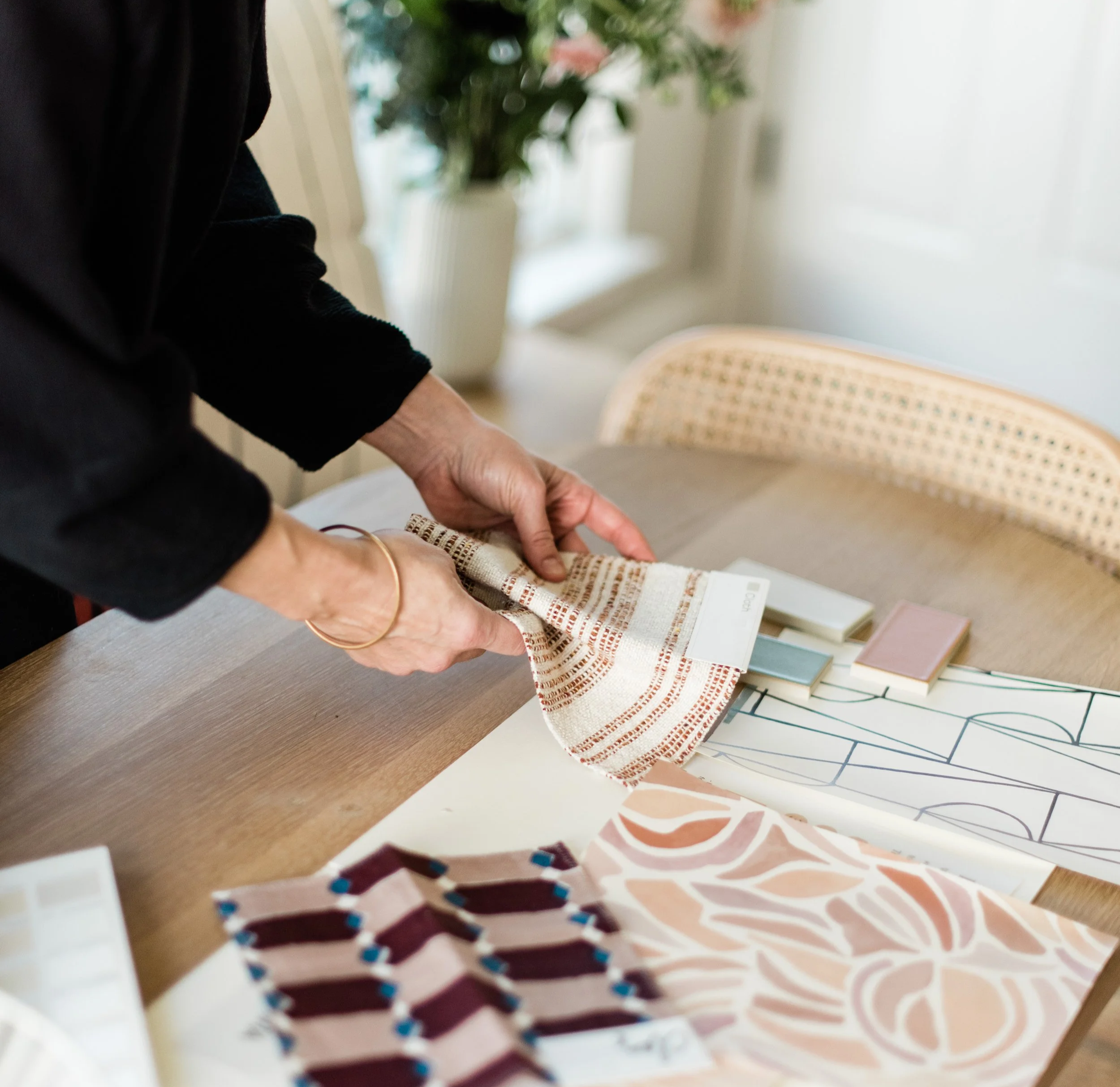
I was reflecting on Brian Eno’s What Art Does. This line in particular struck me: We all make art all the time but we do not usually call it that?
The book is a lovely exploration of the question: Why Do We Need Art?
My takeaway: Art is the difference between Surviving and Living.
Survival is food, shelter, communication.
Living is: adding sprinkles, painting walls, working out, using colorful plates, lighting candles, dancing.
Your home is not separate from art. It is the most immersive art you will ever experience.
For those who notice more, that immersion matters.
My role is not to add decoration.
It is to design an environment that supports how your mind works — so your home regulates you, rather than overwhelms you.
The sprinkles. The candles. The quiet orchestration that lets your home move with you.

If your space currently drains energy instead of restoring it, you don’t just need style — you need sensory-aware design that supports how you live. Let’s talk about how your home can regulate, inspire, and elevate your daily experience.